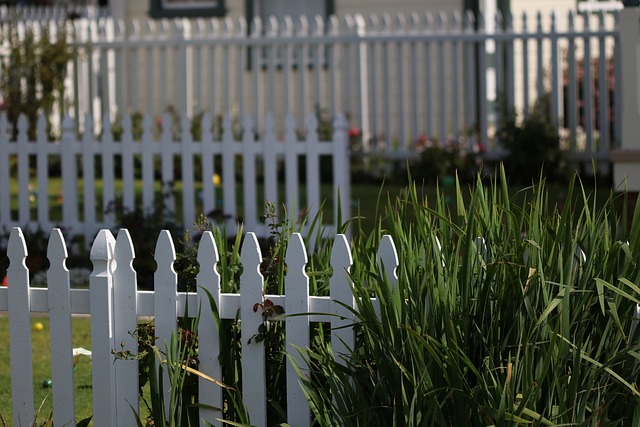
Keep Your Large Property Safe & Stylish on a Budget: Discover Cost-Effective Fencing Solutions
Managing a vast property presents unique challenges, particularly when it comes to fencing. Traditional options can be cost prohibitive for large expanses. This article guides you through an affordable alternative – exploring budget-friendly materials, efficient installation techniques, and maintenance tips to ensure your cost-effective fence stands the test of time. Learn how to secure your space without breaking the bank.
- Understanding Cost-Effective Fencing Needs for Large Properties
- Exploring Budget-Friendly Material Options
- Installation Tips for Efficient Cost Savings
- Maintaining Your Cost-Effective Fence Longevity
Understanding Cost-Effective Fencing Needs for Large Properties
Fencing large properties presents unique challenges and opportunities when it comes to cost-effectiveness. These expansive spaces often require robust, yet affordable barriers to enhance security, privacy, or to mark property boundaries. Understanding what makes a fencing solution cost-effective involves considering both material choices and installation methods tailored to the scale of the property.
For large properties, durable materials like vinyl, wood, or chain link offer viable options. Vinyl fences, for instance, are low-maintenance and resistant to rust, making them an attractive choice despite their upfront cost. Wooden fences, while potentially more expensive initially, can be a sustainable option if properly maintained and treated, offering both aesthetic appeal and longevity. Chain link fencing, meanwhile, strikes a balance between affordability and security, providing clear visibility and durability at a competitive price point.
Exploring Budget-Friendly Material Options
When considering fencing for large properties, cost-effectiveness is a primary concern. One way to achieve this is by exploring budget-friendly material options. Common choices include wood and vinyl, which are relatively inexpensive compared to metal or concrete. Wood offers a natural aesthetic and can be treated to withstand harsh weather conditions, while vinyl is low maintenance and comes in various styles to match different landscapes.
Additionally, recycled materials such as plastic and steel pellets are gaining popularity as eco-friendly and cost-efficient alternatives. These materials are durable, require minimal upkeep, and reduce environmental impact. Furthermore, some suppliers offer used or refurbished fencing at a fraction of the cost of new materials, providing an economical solution without compromising quality or longevity.
Installation Tips for Efficient Cost Savings
When installing fences on large properties, efficient planning and execution are key to maximizing cost savings. One crucial tip is to group fence installations in phases rather than attempting a massive project all at once. This allows for better budget allocation, as you can secure financing or quotes from suppliers for specific sections, making it easier to manage costs. Additionally, consider the terrain and existing structures on the property. Strategic route planning that avoids steep slopes or dense vegetation can significantly reduce material and labor expenses.
Another effective strategy is to choose fence materials wisely. Opting for affordable yet durable options like vinyl or wood over expensive metals can make a substantial difference in your budget. Moreover, recycled or reclaimed materials are not only cost-effective but also environmentally friendly. Ensure proper measurement and ordering to minimize waste, and consider DIY methods for straightforward sections to further reduce labor costs. Regularly maintain and inspect the fence after installation to prolong its life, preventing costly repairs down the line.
Maintaining Your Cost-Effective Fence Longevity
To ensure your cost-effective fence remains a sturdy and attractive addition to your large property for years to come, regular maintenance is key. Start with a thorough cleaning using mild soap and warm water to remove any dirt or debris accumulated on the surface. This simple step helps prevent moisture damage and promotes the longevity of the fencing material.
Additionally, inspect your fence periodically for signs of wear and tear, such as loose or damaged posts, rusted hardware, or broken pickets. Promptly addressing these issues will prevent minor problems from escalating. Consider using a protective coating or sealant suitable for your chosen fencing material to shield it from the elements and further enhance durability.