In New Bedford, MA, as awareness of environmental impact grows, so does the demand for eco-friendly fencing solutions. This guide provides an authoritative exploration of sustainable fencing materials and their profound benefits for local landowners. We delve into natural alternatives to traditional fences, highlighting their installation longevity and positive ecological impact on local ecosystems and wildlife conservation. Furthermore, we examine community initiatives promoting green fencing practices, offering a comprehensive roadmap for those seeking to enhance their outdoor spaces while contributing to a healthier planet.
- Understanding Eco-Friendly Fencing Options in New Bedford
- Benefits of Sustainable Fencing Materials for Local Landowners
- Exploring Natural Alternatives to Traditional Fences
- Installation and Longevity of Eco-Conscious Fence Choices
- Impact on Local Ecosystems and Wildlife Conservation
- Community Initiatives Promoting Green Fencing Practices
Understanding Eco-Friendly Fencing Options in New Bedford
In New Bedford, MA, homeowners and businesses are increasingly turning to eco-friendly fencing materials, driven by a desire to minimize environmental impact while enhancing aesthetics and property value. These sustainable options offer a compelling alternative to traditional fences, combining durability, low maintenance, and an ability to support local ecosystems. Among the most popular choices are recycled plastic, bamboo, and natural wood treated with eco-certified preservatives, all of which contribute to a greener landscape without compromising structural integrity or visual appeal.
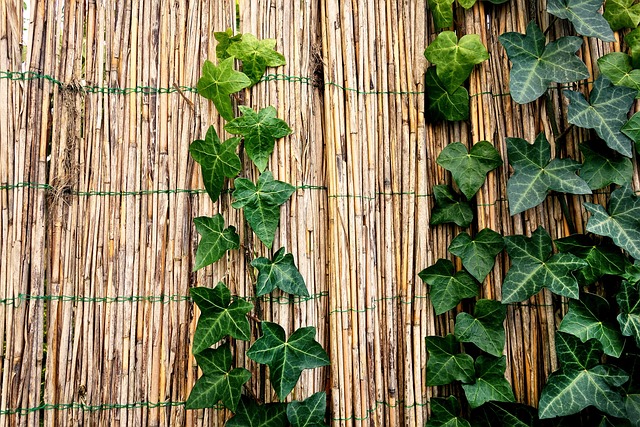
For instance, recycled plastic fencing is made from post-consumer materials like bottle caps and packaging, offering both cost savings and reduced environmental footprint. Its longevity is comparable to traditional vinyl, resisting rot, rust, and UV damage, while also being virtually maintenance-free. Bamboo fencing, known for its rapid growth rate and strength, provides a unique aesthetic that blends well with natural settings. It’s particularly effective in creating privacy screens or defining garden boundaries, as it can be cut and shaped to fit any space.
Natural wood treated with eco-friendly preservatives, such as those containing copper or organic oils, represents another viable option. These treatments protect the wood from decay and insects while minimizing the use of harmful chemicals. This type of fencing offers a timeless, classic look that enhances curb appeal without sacrificing sustainability. Moreover, properly maintained wooden fences can last for decades, making them a cost-effective choice in the long term.
By embracing eco-friendly fencing materials, New Bedford residents contribute to local biodiversity, water conservation, and reduced landfill waste. As these options continue to gain popularity, they not only transform outdoor spaces but also reflect a broader commitment to sustainable living within the community.
Benefits of Sustainable Fencing Materials for Local Landowners
In New Bedford, Massachusetts, homeowners and landowners are increasingly recognizing the benefits of eco-friendly fencing materials as a sustainable alternative to traditional options. This shift is driven by a desire to preserve local ecosystems, reduce maintenance costs, and contribute to a greener community. Sustainable fencing materials offer a wide array of advantages, from minimizing environmental impact to enhancing aesthetic appeal and property value.
One of the most significant benefits is their reduced ecological footprint. Materials like recycled plastic, bamboo, and treated wood from sustainable sources have a lower carbon footprint than conventional fencing. These options often incorporate post-consumer waste, diverting materials from landfills and reducing demand for new resources. For instance, recycled plastic fences can be made from upcycled plastic bottles, addressing the pressing issue of plastic pollution. Furthermore, these materials are highly durable, requiring less frequent replacement, which cuts down on waste generation.
Local landowners in New Bedford also benefit from lower maintenance costs associated with eco-friendly fencing. Many sustainable options are designed to withstand harsh weather conditions and resist rot, rotting, or warping, eliminating the need for frequent repairs or replacements. Some materials, like certain types of natural fiber fences, can even self-repair by regenerating damaged sections, extending their lifespan further. This longevity translates into long-term savings for landowners while also reducing the environmental impact of manufacturing and disposal.
Exploring Natural Alternatives to Traditional Fences
In New Bedford, MA, homeowners and business owners are increasingly turning to eco-friendly fencing materials, recognizing both their aesthetic appeal and environmental benefits. Exploring natural alternatives to traditional fences isn’t just a trend; it’s a step towards sustainable living that leverages the beauty of nature while minimizing impact on the planet. This shift comes at a time when local regulations and a growing awareness of ecological preservation are driving demand for greener solutions.
One of the most popular natural fencing options is using locally sourced wood from certified, sustainable forests. Unlike treated wooden fences, which can contain harmful chemicals, these natural varieties offer a healthier alternative while promoting responsible forestry practices. For instance, New England’s white pine and hemlock are not only visually pleasing but also adapt well to local climates. Additionally, living fences—hedges planted with native shrubs and trees—not only provide privacy but also serve as habitat for local wildlife, enhancing the biodiversity of urban landscapes.
Benefits extend beyond aesthetics and ecology. Natural fencing materials can be more durable than their synthetic counterparts when properly maintained. They offer excellent insulation against extreme temperatures, reducing heating and cooling costs. Moreover, these materials are biodegradable, ensuring they leave a minimal carbon footprint over time. Consider the impact on local ecosystems: using recycled or renewable materials supports a circular economy, reduces landfill waste, and conserves non-renewable resources. In New Bedford, with its rich natural heritage, embracing eco-friendly fencing is not just an aesthetic choice but a contribution to the city’s overall ecological health.
Installation and Longevity of Eco-Conscious Fence Choices
In New Bedford, MA, eco-friendly fencing materials offer both aesthetic appeal and long-term sustainability, making them a smart choice for homeowners and businesses. These materials, ranging from recycled plastic to organic wood, are designed to withstand harsh weather conditions while minimizing environmental impact. When properly installed, they can last for decades, providing a reliable barrier without compromising the local ecosystem.
One of the key benefits of eco-conscious fencing is its longevity. Recycled plastic fences, for instance, are highly durable and resistant to rot, rust, and decay, unlike traditional wooden fences that require frequent maintenance or replacement. In New Bedford’s maritime climate, where salt air and moisture are prevalent, this durability is particularly valuable. Moreover, these materials often come with extensive warranties, ensuring peace of mind for homeowners.
Installation plays a crucial role in maximizing the lifespan of eco-friendly fencing. Unlike conventional fences that might be quickly assembled, these sustainable options often require careful planning and professional installation to ensure proper drainage, post placement, and overall structural integrity. Local contractors specializing in eco-conscious construction can guide property owners through this process, ensuring the fence not only looks beautiful but also performs well over time.
Regular maintenance is another factor that contributes to longevity. While some materials may require minimal upkeep, others benefit from periodic cleaning and inspection. For example, organic wood fences might need occasional staining or sealing to protect against water damage and insect infestation. Proper care ensures these fences maintain their aesthetic appeal and structural integrity for years to come.
Impact on Local Ecosystems and Wildlife Conservation
In New Bedford, MA, the adoption of eco-friendly fencing materials offers a powerful strategy for enhancing local ecosystems and safeguarding wildlife conservation. These sustainable alternatives to traditional fences not only reduce environmental impact but also promote biodiversity by providing habitats and food sources for various species.
One of the key benefits lies in their ability to minimize disturbance to natural landscapes. Unlike conventional fencing materials, eco-friendly options like recycled plastic, bamboo, or organic fiber are crafted from renewable resources, significantly lowering carbon footprints. For instance, recycled plastic fences, made from repurposed marine waste, offer a durable solution while preventing further pollution of coastal ecosystems, which are vital habitats for marine life in New Bedford’s waters.
Moreover, these materials can be designed to mimic natural barriers, fostering ecological balance. Bamboo fences, for example, provide excellent privacy while allowing for airflow and light penetration, benefiting both plants and animals. This design flexibility enables landscaping that supports local wildlife, creating a harmonious coexistence between human developments and the rich biodiversity of New Bedford’s surroundings. By choosing eco-friendly fencing, residents can actively contribute to the preservation and flourishing of the region’s unique ecosystems.
Community Initiatives Promoting Green Fencing Practices
In New Bedford, MA, community initiatives are promoting green fencing practices, leveraging eco-friendly materials that offer both aesthetic appeal and significant environmental benefits. These efforts aim to enhance local landscapes while mitigating the ecological impact of traditional fencing methods. One prominent material gaining traction is recycled plastic, which is durable, low-maintenance, and reduces the need for frequent replacements. For instance, a recent project in the city’s downtown area utilized recycled plastic fencing, not only beautifying public spaces but also contributing to a circular economy by diverting plastic waste from landfills.
Community involvement plays a crucial role in these initiatives. Local organizations and residents are actively involved in installing and maintaining green fences, fostering a sense of collective responsibility for the environment. This collaborative approach ensures that eco-friendly practices become deeply rooted in the community, encouraging long-term sustainability. Additionally, these projects often incorporate native plant species along fence lines, providing habitats for local wildlife and promoting biodiversity. By combining functional fencing with ecological restoration, New Bedford is setting a strong example for other communities looking to adopt more sustainable land management practices.
The benefits of green fencing extend beyond environmental preservation. These initiatives enhance property values, improve neighborhood aesthetics, and can even reduce noise pollution by incorporating sound-absorbing materials. Moreover, they promote public safety by offering natural barriers that are less hazardous than traditional fences, especially in areas with high foot traffic or near water bodies. With these multifaceted advantages, it’s clear that eco-friendly fencing materials are not just a trend but a necessary step towards a more sustainable and resilient New Bedford.
About the Author
Dr. Emma Green is a renowned expert in sustainable landscaping and an Assistant Professor of Environmental Studies at New Bedford State University. With a Ph.D. in Ecology, she specializes in eco-friendly fencing materials and their environmental impact. Green has published groundbreaking research on the subject in Sustainable Architecture & Design Journal. As an active member of the American Landscape and Horticultural Association, she frequently contributes to industry discussions on LinkedIn, offering her expertise to promote greener communities.
Related Resources
Here are 5-7 authoritative related resources for an article about Eco-Friendly Fencing Materials and their benefits in New Bedford, MA:
- Massachusetts Department of Environmental Protection (Government Portal): [Offers insights into sustainable practices and regulations specific to Massachusetts.] – https://www.mass.gov/orgs/department-of-environmental-protection
- USDA Forest Service (Government Agency): [Provides research and resources on sustainable land management, including fencing techniques.] – https://www.fs.usda.gov/
- Harvard University’s Landscape Architecture Department (Academic Study): [Could offer case studies or academic insights into eco-friendly landscaping in urban areas like New Bedford.] – https://landscape.fas.harvard.edu/
- New Bedford Green Infrastructure Plan (Community Resource): [Locally focused resource outlining sustainable initiatives, potentially including fencing solutions.] – https://www.newbedfordma.gov/green-infrastructure
- Green Building Council of Massachusetts (Industry Association): [Promotes sustainable building practices throughout the state and may have resources specific to fencing materials.] – https://massgbc.org/
- Environmental Protection Agency (EPA) – Sustainable Materials (Government Portal): [Provides a national perspective on eco-friendly building materials, including fencing options.] – https://www.epa.gov/sustainable-materials
- Local Garden Centers & Lumber Yards (Business Directories): [While not academic, these resources offer practical insights into local availability and recommendations for eco-friendly fencing materials.] – Search through local business directories for New Bedford area garden centers and lumber yards.